

Ultralight Shelters
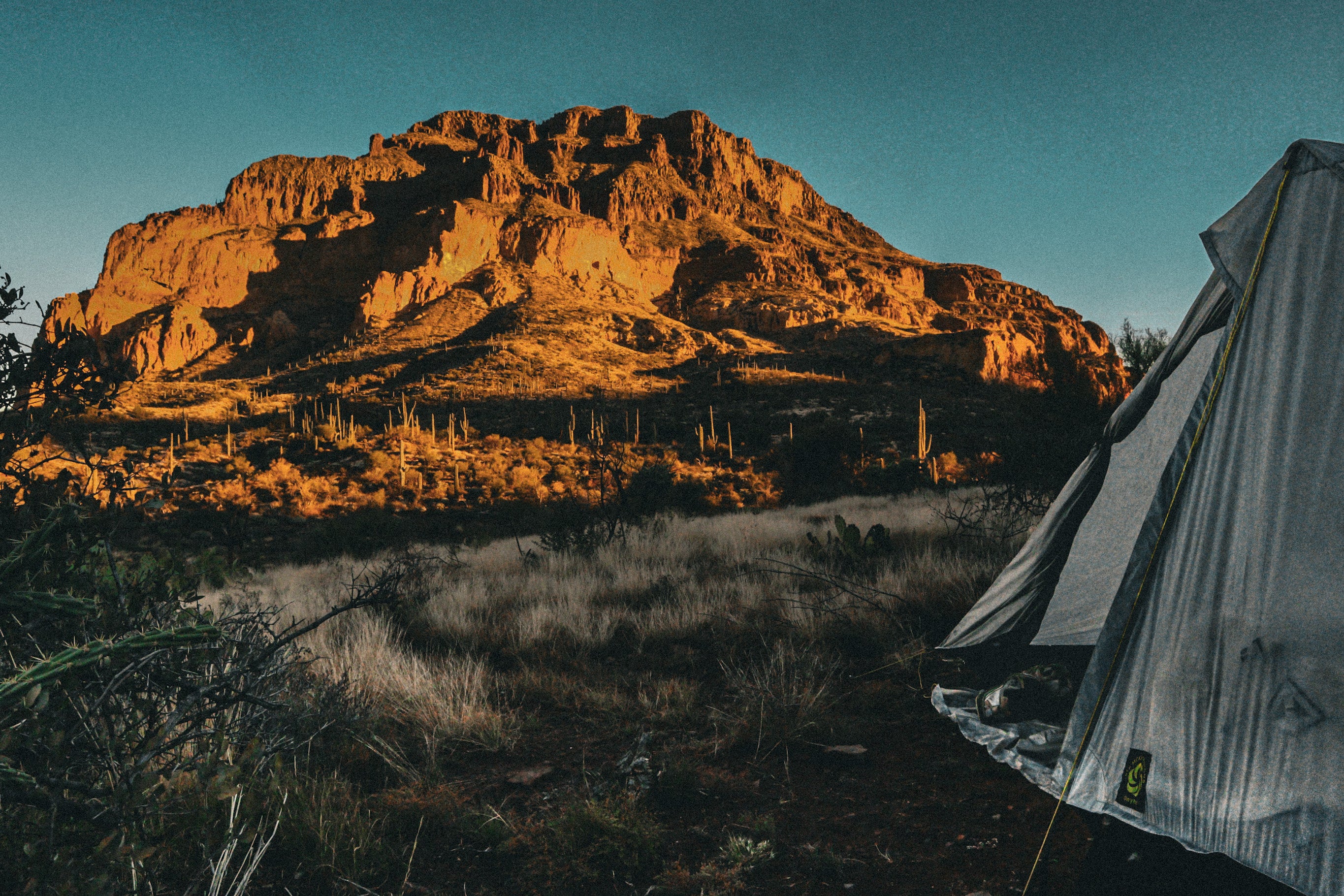
Designed to work with trekking poles, every SMD ultralight shelter is made with innovative fabrics to ensure your pack stays light and you stay comfortable no matter where you call home for the night.
Most Popular Shelters
Our best-selling shelters trusted by thousands of thru-hikers

Lunar Solo Backpacking Tent
The tent that started the ultralight revolution.

Skyscape Trekker Backpacking Tent
Our most versatile 3-season tent is ideal for taller hikers.

Haven Ultralight Tent
Our most popular 2-person shelter.
All Shelters
Browse our complete lineup of ultralight tents, tarps, and shelters


Compare Our Shelters
Find the perfect shelter for your hiking style
Tap any shelter to see full specs
| Shelter | Weight | Floor | Peak | Capacity | Setup | Price | View product |
|---|---|---|---|---|---|---|---|

Lunar Solo
Best Seller
|
26 oz | 28 sq ft | 48" | 1 Person | 1 Pole | $260 | View |

Skyscape Trekker
|
28 oz | 23 sq ft | 48" | 1 Person | 2 Pole | $275 | View |

Skyscape Scout
|
40 oz | 23 sq ft | 45" | 1 Person | 2 Pole | $160 | View |

Gatewood Cape
Lightest
|
11 oz | 35 sq ft | 49" | 1 Person | 1 Pole | $155 | View |

Owyhee Tarp
|
24 oz | 53 sq ft | 45" | 2 Person | 2 Pole | $310 | View |

Lunar Duo
|
45 oz | 34 sq ft | 45" | 2 Person | 2 Pole | $395 | View |

Lunar Duo Outfitter
|
57 oz | 34 sq ft | 45" | 2 Person | 2 Pole | $210 | View |

Deschutes Tarp
|
13 oz | 44 sq ft | 49" | 1 Person | 1 Pole | $190 | View |

Haven
|
34 oz | 27 sq ft | 45" | 2 Person | 2 Pole | $375 | View |

Serenity Net Tent
|
11 oz | 15 sq ft | 45" | 1 Person | 1 Pole | $150 | View |

Lunar Orbiter
New
|
44 oz | 22 sq ft | 48" | 1 Person | Freestanding | $425 | View |
All weights shown are shelter weight alone - trekking poles not included. Floor area is interior sleeping space.
The Ultralight Shelter Guide
Ultralight Backpacking Shelters: Engineered for Every Trail
Grams lead to ounces and ounces lead to pounds - cutting out additional weight can lead to more miles or a more enjoyable and less burdensome day. Choosing the correct ultralight shelter (one third of the three main items on a backpacking trip) becomes one of the most important decisions you will make in preparation for your adventure.
Since 2002 Six Moon Designs has been at the forefront of lightweight backpacking tents and shelters. Our designs can be set up utilizing trekking poles for structure allowing dual purpose of an item you might already carry thus eliminating redundant weight.
The Six Moon Designs lineup of backpacking shelters ranges from the revolutionary 11oz Gatewood Cape (a rain cape that converts into a full 360 degrees of protection tarp shelter) to the spacious Lunar Duo that sleeps two comfortably but has enough room for 4 people to sit and play cards at under 3 lbs.
It does not matter if you are a long distance thru-hiker preparing for a trip on the PCT, AT, or CDT or looking for a solo backpacking tent to take off on a weekend adventure, we have a shelter designed for how you hike.
How to Choose Your Ultralight Shelter
The best ultralight shelter for your needs will be decided based on a few key factors: how many people will be sleeping in the shelter, what weather conditions you expect, how much protection from the elements you might need, how much weight you are willing to carry,
By designing most of our shelters as single-wall tents we reduce the weight quite dramatically by eliminating the need for a separate rainfly that is often found in other more traditional double-wall tents.
Trail Tip
Not sure if a trekking pole shelter is right for you? Most thru-hikers already carry trekking poles, making them redundant weight when paired with a traditional freestanding tent. Switching to a trekking pole tent can save 12–20 oz from your base weight immediately, the same as dropping a full water bottle from your pack.
Frequently Asked
Shelter Questions from the Trail
Common questions we get from thru-hikers, weekenders, and ultralight newcomers about our backpacking shelters.
How much should a backpacking tent weigh?
For backpacking, a solo tent under 2 lbs (32 oz) is considered ultralight, while anything under 3 lbs is lightweight. Most conventional backpacking tents weigh 3.5–5 lbs. Our lightest enclosed shelter, the Lunar Solo, weighs just 26 oz (1 lb 10 oz), and our Gatewood Cape starts at 11 oz.
As a general rule, experienced thru-hikers aim for shelter weight to be about 15–20% of their total base weight. For a 10 lb base weight target, that means a shelter in the 1.5–2 lb range—exactly where most of our lineup falls.
What is a trekking pole tent and how does it work?
A trekking pole tent uses your hiking poles as the structural support instead of dedicated tent poles. You place one or two trekking poles inside the shelter body, then stake out the corners and guylines to create a taut, weather-resistant pitch. This design eliminates 12–20 oz of redundant pole weight since most hikers already carry trekking poles.
All Six Moon Designs tents (except the Lunar Orbiter) are trekking-pole tents. Our single-pole designs, like the Lunar Solo, allow for a very quick setup and pitch, while our two-pole designs, like the Haven and Skyscape Trekker, offer more headroom and wind resistance.
Single-wall vs. double-wall tent: which is better for backpacking?
Single-wall tents combine the rainfly and tent body into one layer, simplifying setup and saving weight.
Double-wall tents use a separate inner mesh body and outer rainfly, which reduces condensation but is more complex and weighs more.
For three-season backpacking and thru-hiking, single-wall designs offer the best balance of weight and protection. Our shelters effectively manage condensation through the use of breathable fabric and strategic ventilation. In humid conditions, leaving the door partially unzipped and making sure the vents are open helps keep the interior dry and comfortable.
Are non-freestanding tents harder to set up?
Non-freestanding tents require stakes to maintain their shape, which can seem intimidating at first. After just a little bit of practice, most hikers are able to master their set up. Our non-freestanding shelters weigh 10-50% less than comparable freestanding tents, a substantial difference in weight.
The trade-off is that you need terrain you can stake into. For extremely rocky terrain, tent platforms, or snow camping, a free standing tent may be more practical, but for 90% of backpacking scenarios, non-freestanding shelters are the smarter choice for weight-conscious hikers.
What is the best ultralight tent for thru-hiking the PCT, AT, or CDT?
For solo thru-hikers, the Lunar Solo is our most popular shelter for all three Triple Crown trails. It offers the best balance of weight, interior room, and weather protection for 2,000+ mile journeys.
PCT hikers often opt for the Gatewood Cape for dry desert conditions and the Lunar Solo for the Sierras and Cascades.
AT hikers favor the Lunar Solo or Skyscape Trekker for the way they handle the rain in the eastern landscape.
CDT hikers chose the Skyscape Trekker because of the stability with two poles in the exposed, windy ridgelines.
What fabric options do you offer and how do they compare?
We offer tents in a couple of different fabric options to match your needs. 190T Polyester is our more affordable option, but it’s still durable, proven on thousands of thru-hikes, and offers excellent weather protection at a great price if you’re willing to sacrifice some weight. SilPoly is our lightest shelter fabric and the most commonly used material in our tent lineup. It is a bit pricier, but it delivers the best weight savings while maintaining excellent strength, weather resistance, and long-term performance on the trail.
Both fabrics provide excellent UV resistance and waterproofing once sealed. We recommend GearAid Seam Grip + Sil Net for all our SilPoly tents and GearAid Seam Grip +FC for our 190T tents.
Do I need a tent footprint with an ultralight shelter?
This depends on the terrain and how much longevity you want in your tent. Our shelter floors are durable for most backcountry use without a footprint, but we recommend a lightweight groundsheet (Tyvek or Polycro) to extend the life of your floor, especially on ricky or abrasive surfaces. It only adds around 2-4oz and will protect more fragile ultralight materials.
Many thru-hikers skip the footprint to save weight, but weekend hikers where weight isn’t as big of a factor and who camp on rougher terrain may benefit from the extra protection.
What does your lifetime product support cover?
Every Six Moon Designs shelter comes with lifetime product support. This means we’ll help with repairs, replacement parts, setup guidance, and any questions about your gear for as long as you have it. Some repair fees or shipping costs may apply.